About Kedarnath Jyotirlinga Temple, Kedarnath (Uttarakhand)
Kedarnath Jyotirlinga stands as one of the most powerful and revered Shiva temples in India, nestled high in the majestic Garhwal Himalayas of Uttarakhand. Situated at an altitude of 3,583 meters near the Mandakini River, the temple offers a breathtaking blend of spirituality, natural beauty and divine tranquility. Kedarnath is an essential part of the sacred Char Dham Yatra and holds immense importance for devotees seeking liberation, inner peace and divine blessings. Surrounded by snow-clad peaks and dramatic landscapes, the temple’s environment radiates purity and spiritual intensity. Pilgrims undertake a challenging trek from Gaurikund, symbolizing devotion, surrender and spiritual endurance. Despite the harsh climate and difficult terrain, millions visit each year, drawn by the belief that Lord Shiva himself resides here in his eternal form as the Jyotirlinga. The temple opens only for a limited period each year due to heavy snowfall, adding to its mystical aura. Rituals like Abhishekam, Aarti and special pujas create a deeply moving spiritual atmosphere. Kedarnath offers not just darshan but a life-changing experience that brings devotees closer to divinity, nature and their own inner strength.
History of Kedarnath Jyotirlinga Temple, Kedarnath (Uttarakhand)
According to ancient legends, Kedarnath is linked to the Pandavas of the Mahabharata. After the Kurukshetra war, they sought Lord Shiva here for forgiveness and liberation. Shiva, initially avoiding them, took the form of a bull and disappeared into the earth, with the hump appearing in Kedarnath as the Jyotirlinga. The present temple is believed to be more than a thousand years old, constructed by the Pandavas and later renovated by Adi Shankaracharya. Over centuries, Kedarnath has stood strong against natural calamities and remains a testament to unwavering devotion.
Architecture of Kedarnath Jyotirlinga Temple, Kedarnath (Uttarakhand)
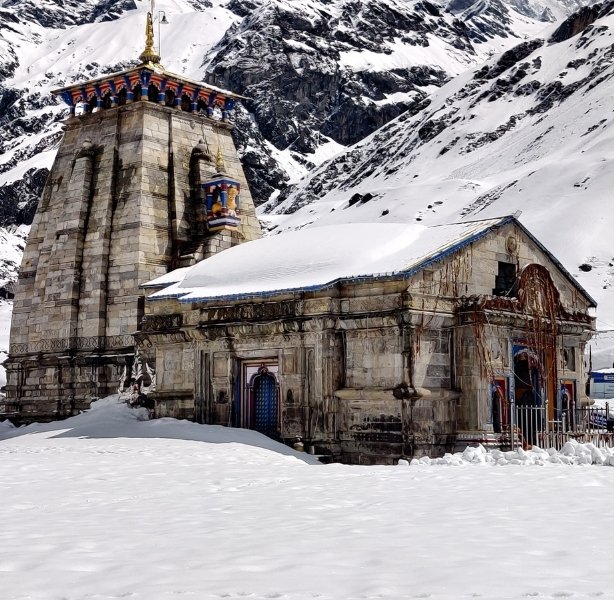
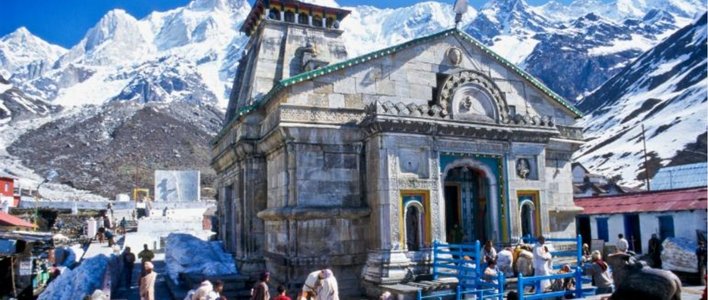
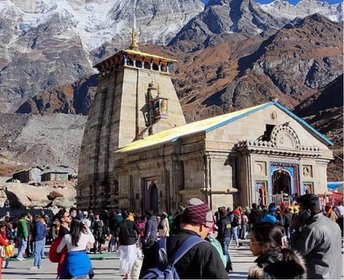
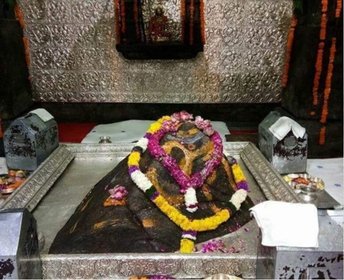
Kedarnath Temple exhibits classic stone architecture built from massive, interlocking grey stones that have survived centuries of harsh Himalayan weather. Its simple yet powerful design features a Garbhagriha housing the Jyotirlinga and a large mandapa supported by intricately carved pillars. The conical stone shikhara rises gracefully against the backdrop of the towering peaks. The temple’s structural strength and minimalistic design reflect ancient Himalayan engineering mastery. The surrounding natural landscape enhances its divine presence, making it one of the most spiritually and architecturally awe-inspiring temples in India.
Spiritual Significance
A sacred Himalayan abode of Lord Shiva, offering liberation, forgiveness and profound spiritual awakening for devotees who brave the journey with faith and devotion.
One of the twelve holy Jyotirlingas of Lord Shiva.
Central to the sacred Char Dham Yatra circuit.
Located amid majestic snow-covered Himalayan peaks.
Symbol of spiritual endurance and divine grace.
Linked to Pandavas’ quest for liberation.
Famous for powerful Abhishekam and daily Aarti rituals.
Specially visited during festivals.
May to October, especially during Shravan Month, Mahashivratri and Char Dham Yatra season.
Timings
Temple Opening: 4:00 AM to 9:00 PM (seasonal) Puja Timings: 4:30 AM to 7:00 PM Aarti Timings: Morning Aarti – 4:30 AM Evening Aarti – 7:00 PM
Travel Details
Airplane
Nearest Airport: Jolly Grant Airport, Dehradun (approx. 240 km). Helicopter services from Phata, Guptkashi and Sirsi are available during temple season.
Train
Nearest Railway Station: Rishikesh (approx. 215 km). Haridwar is another major railhead with better connectivity.
Road
Motorable road available till Gaurikund. From there, a 16 km trek or pony/palanquin services lead to Kedarnath.
Location of Kedarnath Jyotirlinga Temple, Kedarnath (Uttarakhand)